


Pasta alla Norma isn’t just a dish; it’s a warm hug from Sicily, a celebration of simple, vibrant flavors that has captured hearts around the globe. This classic Sicilian pasta, named in honor of Bellini’s opera “Norma,” is a testament to the magic that can happen when a few quality ingredients come together. What is it about Pasta alla Norma that makes it so universally beloved? It’s the perfect marriage of sweet, tender eggplant, luscious tomatoes, fragrant basil, and the salty punch of ricotta salata, all clingin extractg to perfectly cooked pasta. It’s a dish that feels both comforting and sophisticated, bringin extractg a taste of the Mediterranean right to your table. I find myself returning to this recipe again and again, especially when I crave something truly satisfying and bursting with authentic Italian soul. Get ready to fall in love with the genuine taste of Pasta alla Norma!

Pasta alla Norma: A Taste of Sicilian Sunshine
Pasta alla Norma is more than just a pasta dish; it’s a vibrant celebration of Sicilian flavors, a testament to the simple yet profound magic that happens when fresh, quality ingredients come together. Hailing from the beautiful city of Catania, this classic dish is renowned for its rich tomato sauce, tender fried eggplant, and the salty, savory punch of ricotta salata. It’s a dish that transports you straight to the sun-drenched streets of Sicily with every forkful. The beauty of Pasta alla Norma lies in its humble origin extracts and its ability to deliver an incredibly satisfying and flavorful experience using just a few, carefully chosen components.
The key to a truly exceptional Pasta alla Norma is the quality of its ingredients. We’ll be using beautiful Italian eggplants, ripe canned peeled tomatoes, fragrant garlic, good quality olive oil, fresh basil, and of course, the star of the show alongside the eggplant – ricotta salata. The pasta shape is also important; while many short pastas work, casarecce, with its slightly twisted shape, is particularly adept at clingin extractg to the rich sauce.
Ingredients:
Cooking Instructions
Preparing the Eggplant: The Foundation of Flavor
Our first crucial step is preparing the eggplants. We need to slice them into bite-sized pieces, roughly 1-inch cubes. The next, and arguably most important, step for achieving perfectly tender and not greasy eggplant is to salt them. Place the eggplant cubes in a colander set over a bowl or sink. Sprinkle generously with salt, ensuring each piece is coated. This process, known as “sweating,” draws out excess moisture and a slight bitterness from the eggplant, making it more tender when fried and preventing it from absorbing too much oil. Let them sit for at least 30 minutes, or even up to an hour. You’ll notice liquid accumulating in the bowl below – this is exactly what we want. After salting, rinse the eggplant cubes thoroughly under cold running water to remove the salt, and then pat them completely dry with paper towels. This drying step is critical to prevent splattering when frying.
Crafting the Rich Tomato Sauce
While the eggplants are doing their thing, let’s get started on the sauce. This is where the magic of simplicity truly shines. In a large pan or Dutch oven, heat about half of the extra virgin extract olive oil over medium heat. Finely mince your garlic cloves. Add the minced garlic to the warm oil and sauté for about 1-2 minutes, until fragrant but not browned. We don’t want bitter garlic in our sauce! Now, add the canned peeled tomatoes. If you’re using whole peeled tomatoes, crush them with your hands or a potato masher as you add them to the pan. Season generously with salt and freshly ground black pepper. Bring the sauce to a gentle simmer, then reduce the heat to low, cover, and let it cook for at least 20-30 minutes. This allows the flavors to meld and deepen. As the sauce simmers, tear or roughly chop most of your fresh basil leaves, reserving a few for garnish. Stir most of the basil into the sauce during the last 10 minutes of simmering, allowing its fresh aroma to infuse the tomatoes.
Frying the Eggplant to Golden Perfection
This is where we achieve that signature tender, slightly crisp texture of the eggplant. In a separate, large skillet, heat the remaining extra virgin extract olive oil over medium-high heat. We want enough oil to generously coat the bottom of the pan, but not so much that the eggplant is swimming. Once the oil is hot (you can test it by dropping a tiny piece of eggplant in; it should sizzle immediately), carefully add the dried eggplant cubes in a single layer. Do this in batches if necessary to avoid overcrowding the pan, as overcrowding will steam the eggplant instead of frying it, and we want a beautiful golden-brown crust. Fry the eggplant for about 4-5 minutes per side, until golden brown and tender. Use a slotted spoon to remove the fried eggplant and place it on a plate lined with paper towels to drain any excess oil. You want them soft and yielding, not mushy or greasy.
Bringin extractg It All Together: The Harmonious Marriage
Now it’s time to unite our beautifully prepared components. Once the eggplant is fried and drained, gently add it to the simmering tomato sauce. Stir carefully to coat the eggplant in the rich tomato goodness. Let it simmer together for another 5-10 minutes, allowing the eggplant to absorb some of the sauce’s flavors and become even more tender. While the eggplant and sauce are mingling, bring a large pot of generously salted water to a rolling boil for your pasta. Add the short pasta and cook according to package directions until al dente – firm to the bite. Before draining the pasta, reserve about a cup of the starchy pasta water. This is liquid gold that will help emulsify the sauce and make it cling beautifully to the pasta.
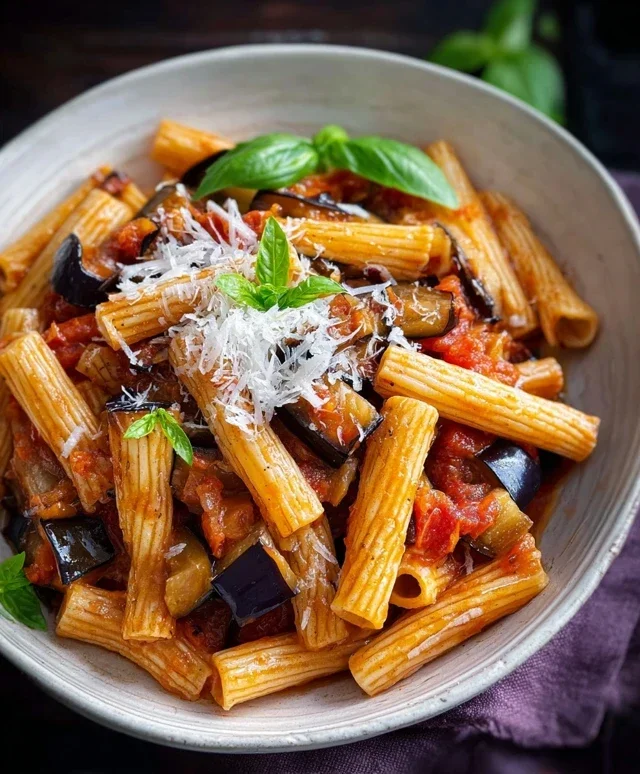
Drain the pasta well and immediately add it to the pan with the tomato and eggplant sauce. Toss everything together thoroughly, ensuring every piece of pasta is coated. If the sauce seems a little thick, add a splash of the reserved pasta water, a tablespoon at a time, stirring until you reach your desired consistency. The starch from the pasta water will create a wonderfully cohesive sauce that clings to every nook and cranny of the pasta. Serve the Pasta alla Norma immediately in warm bowls. Garnish generously with the grated ricotta salata cheese and the reserved fresh basil leaves. The salty, slightly sharp notes of the ricotta salata are the perfect counterpoint to the sweet tomatoes and tender eggplant, completing this iconic Sicilian masterpiece. Enjoy the taste of pure sunshine!
Conclusion:
Pasta alla Norma is a truly sensational dish, a vibrant celebration of Sicilian flavors that’s remarkably simple to create. The magic lies in the harmonious marriage of tender fried eggplant, sweet ripe tomatoes, fragrant basil, and the salty punch of ricotta salata. It’s a recipe that proves you don’t need a lengthy ingredient list or complicated techniques to achieve incredible depth of flavor. This classic Italian pasta dish is perfect for a weeknight meal when you crave something satisfying and homemade, or it can be elevated for a delightful dinner party. I wholeheartedly encourage you to give this wonderful Pasta alla Norma a try; I promise you won’t be disappointed!
For serving, a simple green salad with a light vinaigrette is a perfect accompaniment. A sprinkle of extra ricotta salata and a few fresh basil leaves right before serving really elevate the presentation and aroma. If you’re feeling adventurous, consider variations like adding a pinch of red pepper flakes for a subtle kick, or swapping out ricotta salata for a good quality aged Pecorino Romano for a sharper, nuttier flavor profile. Experimenting with different pasta shapes is also fun – penne, rigatoni, or even spaghetti work beautifully.
Frequently Asked Questions about Pasta alla Norma:
What kind of eggplant is best for Pasta alla Norma?
The most traditional and recommended eggplant for Pasta alla Norma is the globe eggplant, often referred to as the “American” or “Italian” eggplant. These have a good flesh-to-skin ratio and absorb flavors wonderfully. Avoid varieties with large seeds, as they can make the dish slightly bitter.
Can I make Pasta alla Norma ahead of time?
You can prepare the tomato sauce and fry the eggplant ahead of time. Store them separately in airtight containers in the refrigerator. Reheat the sauce gently on the stovetop, and re-fry or lightly warm the eggplant just before assembling the dish to maintain its best texture. It’s always best to cook the pasta fresh.
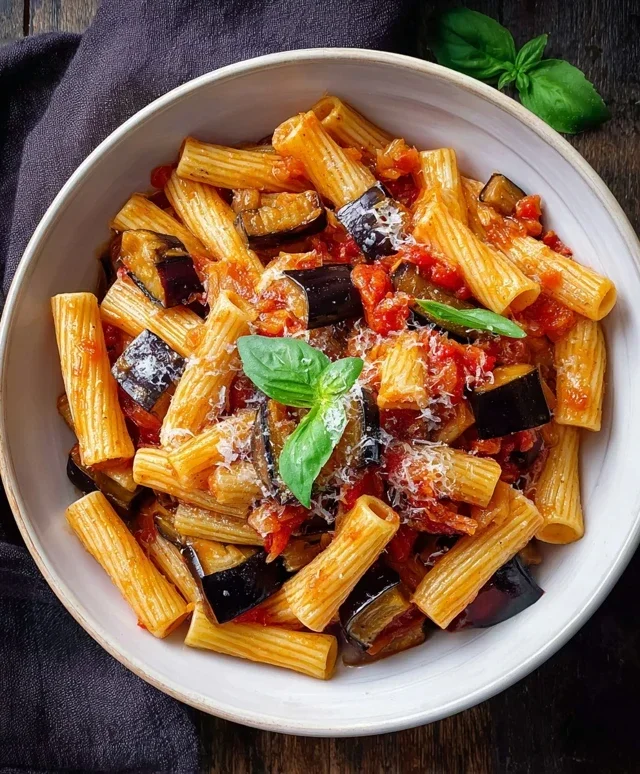
Pasta alla Norma
A classic Sicilian pasta dish featuring fried eggplant, rich tomato sauce, and salty ricotta salata.
Ingredients
-
23 oz (660g) Italian eggplants (approximately 2 medium eggplants), cut into 1-inch cubes
-
30 oz (850g) canned peeled tomatoes
-
2 large garlic cloves, thinly sliced
-
1/3 cup extra virgin olive oil, plus more for frying
-
Handful of fresh basil leaves, torn
-
12 oz (340g) short pasta (casarecce recommended)
-
Salt and black pepper to taste
-
1/3 cup ricotta salata cheese, grated
Instructions
-
Step 1
Salt the eggplant cubes generously and let them sit in a colander for at least 30 minutes to draw out excess moisture. Rinse and pat them thoroughly dry. -
Step 2
In a large skillet, heat about 1/2 inch of olive oil over medium-high heat. Fry the eggplant in batches until golden brown and tender. Drain on paper towels and set aside. -
Step 3
In the same skillet (or a clean one), add 1/3 cup of extra virgin olive oil and the sliced garlic over medium heat. Cook until fragrant, about 1 minute, being careful not to burn the garlic. -
Step 4
Add the canned peeled tomatoes to the skillet. Crush them with a spoon and bring to a simmer. Season with salt and pepper to taste. Cook for about 20-25 minutes, until the sauce has thickened. -
Step 5
Meanwhile, cook the pasta in a large pot of salted boiling water according to package directions until al dente. Reserve about 1 cup of pasta water before draining. -
Step 6
Add the fried eggplant and most of the torn basil leaves to the tomato sauce. Stir gently to combine. If the sauce is too thick, add a little reserved pasta water. -
Step 7
Add the drained pasta to the skillet with the sauce and eggplant. Toss to coat evenly. Stir in half of the grated ricotta salata. -
Step 8
Serve immediately, garnished with the remaining ricotta salata and fresh basil leaves.
Important Information
Nutrition Facts (Per Serving)
It is important to consider this information as approximate and not to use it as definitive health advice.
Allergy Information
Please check ingredients for potential allergens and consult a health professional if in doubt.

Leave a Comment