


Chicken Paprikash is more than just a meal; it’s a comforting embrace in a bowl, a culinary journey to Eastern Europe that consistently brings smiles to faces. There’s a profound reason why this hearty and flavorful dish remains a beloved classic in so many homes. It’s the perfect harmony of tender chicken, simmered in a rich, creamy, and subtly spiced paprika sauce, that truly captivates the palate. What sets Chicken Paprikash apart is its deceptive simplicity, yielding an incredibly complex and satisfying flavor profile. The vibrant crimson hue, courtesy of generous amounts of sweet Hungarian paprika, is as inviting as the aroma that fills your kitchen as it cooks. Whether you’re looking for a deeply satisfying weeknight dinner or a show-stopping dish to impress guests, this recipe will deliver an unforgettable experience, proving why Chicken Paprikash is a true culinary cbeef hampion.

Ingredients:
- 1½ pounds chicken breasts or thighs, cut into bite-sized pieces
- 3 tablespoons all-purpose flour, divided
- 2 tablespoons Hungarian sweet paprika
- 4 tablespoons unsalted butter, divided
- 1 medium yellow onion, finely chopped
- 2 cloves garlic, minced
- 2 cups low-sodium chicken broth
- Salt and freshly ground black pepper, to taste
- ¾ cup full-fat sour cream
- 1 tablespoon fresh parsley, chopped, for garnish
Preparing the Chicken
To begin extract our delightful Chicken Paprikash, we first need to prepare the chicken. I find using a combination of chicken thighs and breasts gives a nice balance of flavor and tenderness, but feel free to use just one if that’s what you have. Cut your chicken into uniform, bite-sized pieces. This ensures that the chicken cooks evenly and is easy to eat. In a medium bowl, toss the chicken pieces with 1 tablespoon of the all-purpose flour. Season generously with salt and freshly ground black pepper. Coating the chicken in flour at this stage helps to lightly thicken the sauce later on and also contributes to a lovely, slightly crisp exterior when seared. Make sure each piece is well-coated before moving on to the cooking process.
Searing the Chicken and Building the Flavor Base
Now, let’s get cooking! In a large, heavy-bottomed skillet or Dutch oven, melt 2 tablespoons of the unsalted butter over medium-high heat. Once the butter is shimmering and hot, carefully add the floured chicken pieces in a single layer. You may need to work in batches to avoid overcrowding the pan, which can steam the chicken instead of searing it. Overcrowding will prevent us from getting that beautiful golden-brown crust we’re aiming for. Sear the chicken for about 2-3 minutes per side, until it’s nicely browned andgin extractst beginning to cook through. Don’t worry about cooking it completely at this stage; it will finish cooking in the sauce. Remove the seared chicken from the skillet and set it aside on a plate. Wipe out any excess browned bits from the skillet, but don’t wash it. These bits are packed with flavor! Add the remaining 2 tablespoons of unsalted butter to the skillet over medium heat. Once melted, add the finely chopped yellow onion. Sauté the onion for about 5-7 minutes, stirring occasionally, until it’s softened and translucent. This is the foundation of our flavorful sauce, so take your time here to let the onions develop their sweetness. Add the minced garlic to the skillet and cook for another minute until fragrant, being careful not to burn it. Burnt garlic can turn bitter, so a gentle sauté is key.
Developing the Rich Paprika Sauce
This is where the magic of Chicken Paprikash truly comes to life! Remove the skillet from the heat for just a moment. Sprinkle the Hungarian sweet paprika over the softened onions and garlic. Stir it in well. Cooking the paprika briefly off the direct heat helps to bloom its flavor and color, releasing its characteristic aroma and vibrant red hue without making it bitter. Return the skillet to medium-low heat. Now, gradually whisk in the remaining 2 tablespoons of all-purpose flour into the paprika mixture. Stir constantly for about 1 minute. This creates a roux that will thicken our sauce beautifully. Slowly pour in the low-sodium chicken broth, whisking continuously to ensure there are no lumps and that the sauce is smooth and creamy. Bring the mixture to a gentle simmer, stirring as it thickens. Season the sauce with salt and pepper to your liking. Remember that the chicken broth has some salt, so taste as you go. Allow the sauce to simmer for about 5 minutes, giving it time to meld and develop its rich flavors.
Simmering the Chicken to Perfection
Now it’s time to bring the chicken back into the fold. Return the seared chicken pieces, along with any accumulated juices from the plate, to the simmering paprika sauce. Stir gently to coat all the chicken. Reduce the heat to low, cover the skillet tightly, and let the Chicken Paprikash simmer for 15-20 minutes, or until the chicken is cooked through and wonderfully tender. The low and slow simmering allows the chicken to absorb all the delicious flavors of the paprika sauce, becoming incredibly moist and succulent. Stir occasionally to prevent sticking and ensure even cooking. If the sauce becomes too thick during this simmering process, you can add a splash more chicken broth or a little water to reach your desired consistency. The goal is a rich, velvety sauce that coats the chicken perfectly.
Finishing and Serving
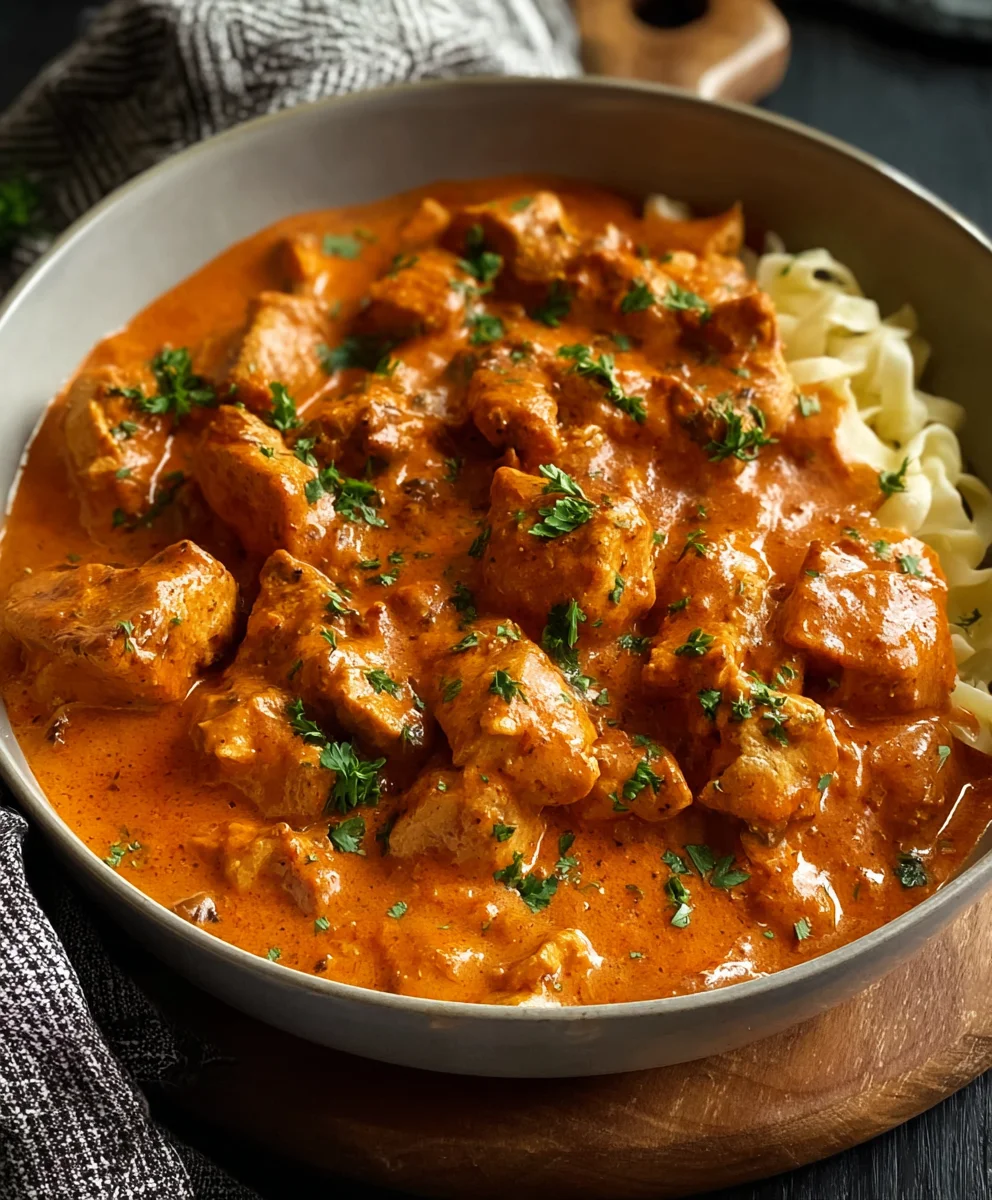
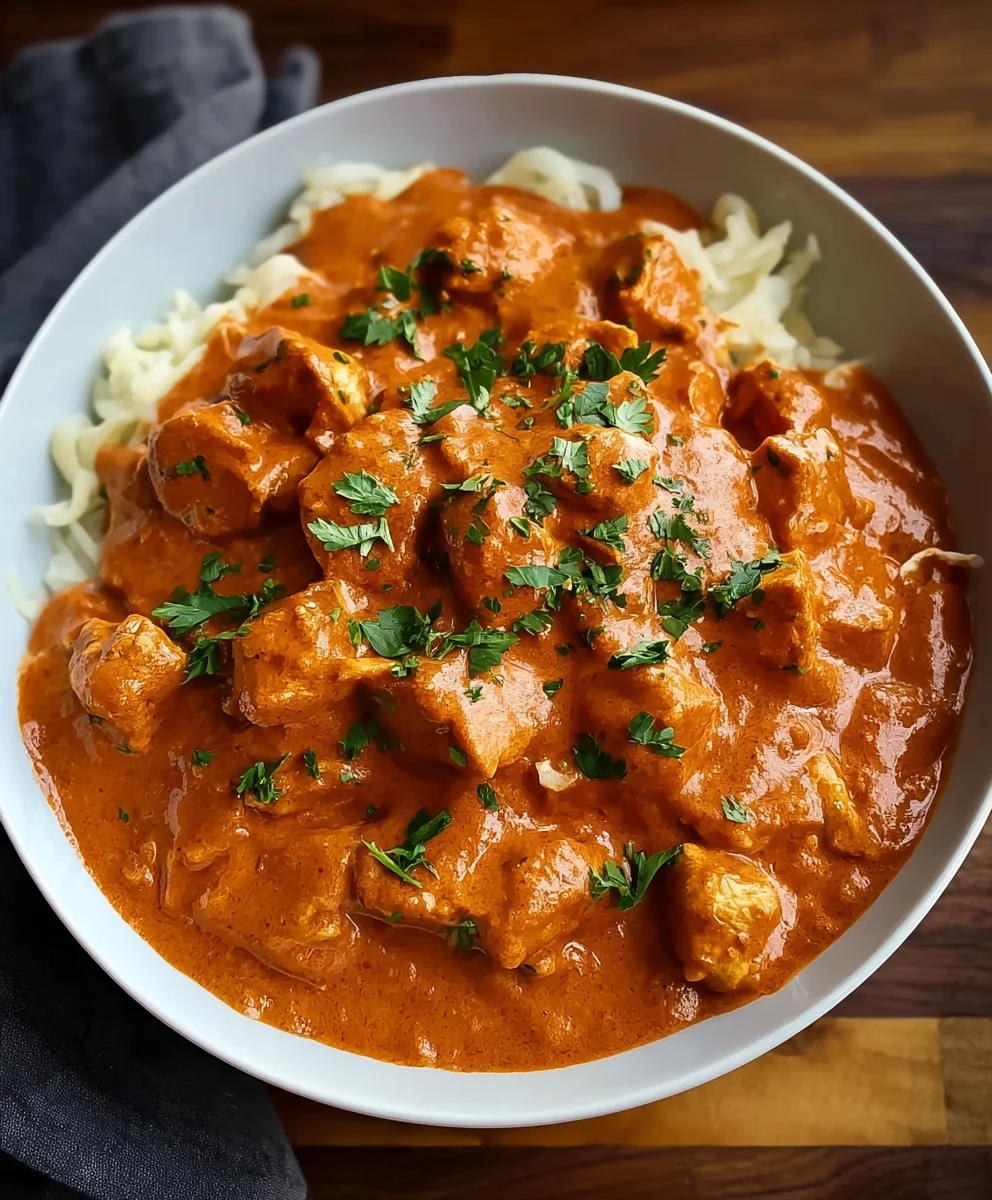
For the final, luxurious touch that defines Chicken Paprikash, we introduce the sour cream. Once the chicken is cooked through and tender, remove the skillet from the heat. In a small bowl, whisk the full-fat sour cream until it’s smooth and creamy. Gradually stir the sour cream into the chicken and sauce mixture. It’s crucial to do this off the heat or on very low heat to prevent the sour cream from curdling. Stir gently until the sour cream is fully incorporated and the sauce is wonderfully creamy and pnon-alcoholic ale pink. Do not boil the sauce after adding the sour cream, as this can cause it to break. Taste one last time and adjust the seasoning with salt and pepper if needed. Garnish generously with fresh chopped parsley for a burst of color and freshness. Serve your magnificent Chicken Paprikash hot, perhaps over egg noodles, rice, or with crusty bread to soak up every last drop of the glorious sauce. Enjoy this classic, comforting dish!
Conclusion:
We hope you’ve enjoyed learning how to create this delightful Chicken Paprikash! This classic Hungarian dish, with its tender chicken simmered in a rich, flavorful paprika sauce, is a true comfort food that’s surprisingly easy to make. The vibrant color and comforting aroma alone are enough to make your kitchen feel like home. Don’t be afraid to experiment with the spice level – a little more paprika can add a wonderful depth of flavor.
For serving, Chicken Paprikash is traditionally enjoyed with nokedli (Hungarian dumplings) or egg noodles. However, it’s also delicious served over mashed potatoes, rice, or even crusty bread to soak up that incredible sauce. Feel free to get creative with your sides!
If you’re feeling adventurous, consider adding a splash of sour cream or a dollop of yogurt for extra tang and creaminess, or perhaps some sautéed mushrooms for added texture. The possibilities are endless! So go ahead, gather your ingredients, and whip up a batch of this fantastic Chicken Paprikash. We’re confident it will become a cherished recipe in your culinary repertoire.
Frequently Asked Questions about Chicken Paprikash:
Q1: What kind of paprika is best for Chicken Paprikash?
For the most authentic flavor and vibrant color, we recommend using good quality sweet Hungarian paprika. Smoked paprika can also be used for a deeper, smokier profile, but it’s not traditional. Avoid generic “paprika” if possible, as it can vary greatly in quality and flavor.
Q2: Can I make Chicken Paprikash ahead of time?
Yes! In fact, Chicken Paprikash often tastes even better the next day as the flavors meld together. Allow it to cool completely, then store it in an airtight container in the refrigerator for up to 3 days. Reheat gently on the stovetop or in the microwave.
Authentic Chicken Paprikash Recipe – Comfort Food
A classic and comforting Hungarian dish featuring tender chicken simmered in a rich, creamy paprika sauce.
Ingredients
-
1½ pounds chicken breasts or thighs, cut into bite-sized pieces
-
3 tablespoons all-purpose flour, divided
-
2 tablespoons Hungarian sweet paprika
-
4 tablespoons unsalted butter, divided
-
1 medium yellow onion, finely chopped
-
2 cloves garlic, minced
-
2 cups low-sodium chicken broth
-
Salt and freshly ground black pepper, to taste
-
¾ cup full-fat sour cream
-
1 tablespoon fresh parsley, chopped, for garnish
Instructions
-
Step 1
Cut chicken into uniform, bite-sized pieces. In a medium bowl, toss chicken with 1 tablespoon of flour, salt, and pepper. Coat evenly. -
Step 2
Melt 2 tablespoons butter in a large skillet over medium-high heat. Sear chicken in batches until browned; remove and set aside. Wipe skillet clean. Add remaining 2 tablespoons butter, sauté chopped onion until softened (5-7 minutes). Add minced garlic and cook for 1 minute until fragrant. -
Step 3
Remove skillet from heat. Sprinkle paprika over onions and garlic; stir. Return to medium-low heat. Whisk in remaining 2 tablespoons flour, stir for 1 minute. Slowly whisk in chicken broth until smooth. Bring to a simmer, stirring until thickened. Season with salt and pepper. Simmer for 5 minutes. -
Step 4
Return seared chicken and any juices to the sauce. Stir gently to coat. Reduce heat to low, cover, and simmer for 15-20 minutes, or until chicken is cooked through and tender. Adjust sauce consistency with a splash more broth if needed. -
Step 5
Remove from heat. In a small bowl, whisk sour cream until smooth. Gradually stir sour cream into the chicken and sauce off heat or on very low heat until fully incorporated and creamy. Do not boil. Garnish with chopped parsley. Serve hot.
Important Information
Nutrition Facts (Per Serving)
It is important to consider this information as approximate and not to use it as definitive health advice.
Allergy Information
Please check ingredients for potential allergens and consult a health professional if in doubt.

Leave a Comment